
2D van der Waals magnets
What are 2D magnets?
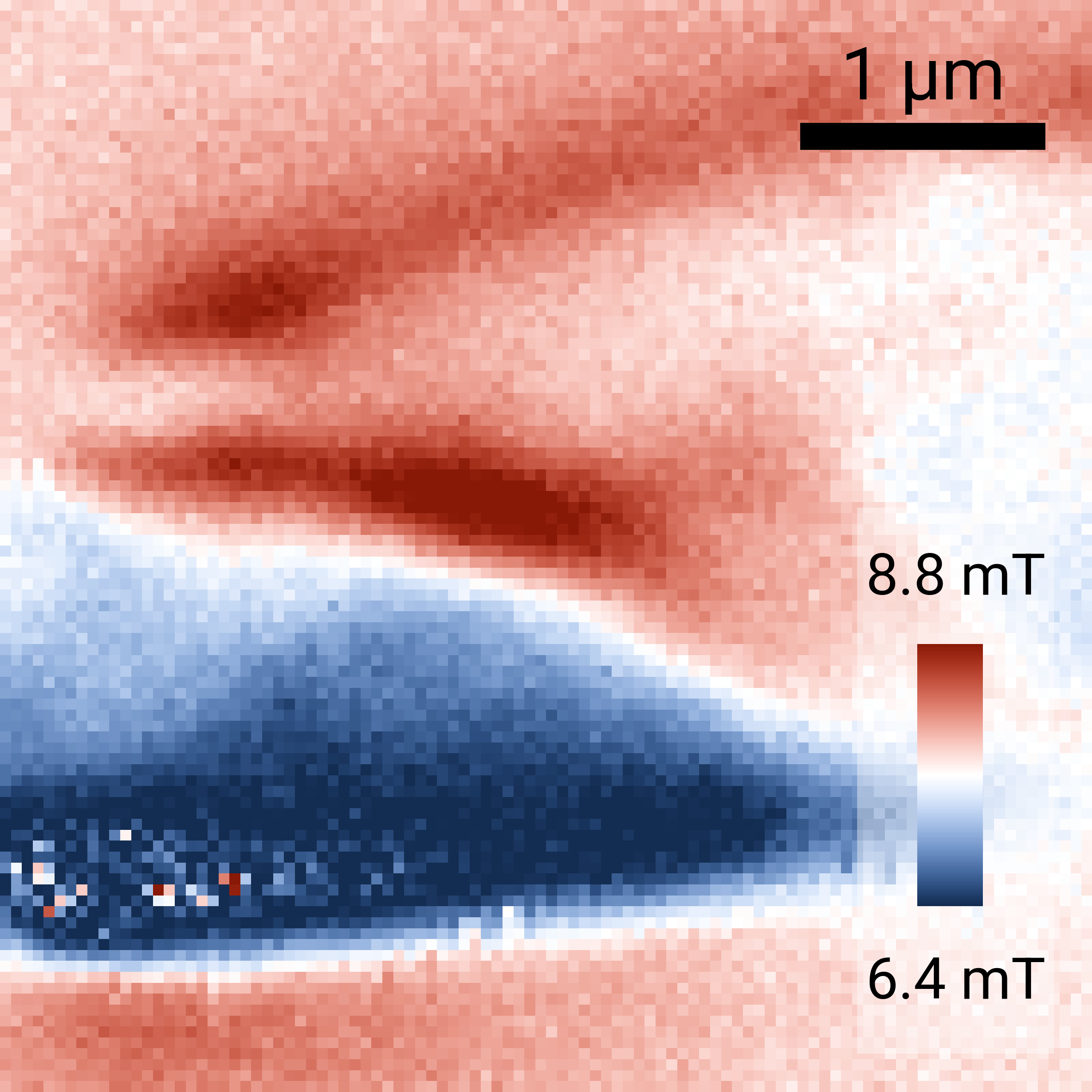
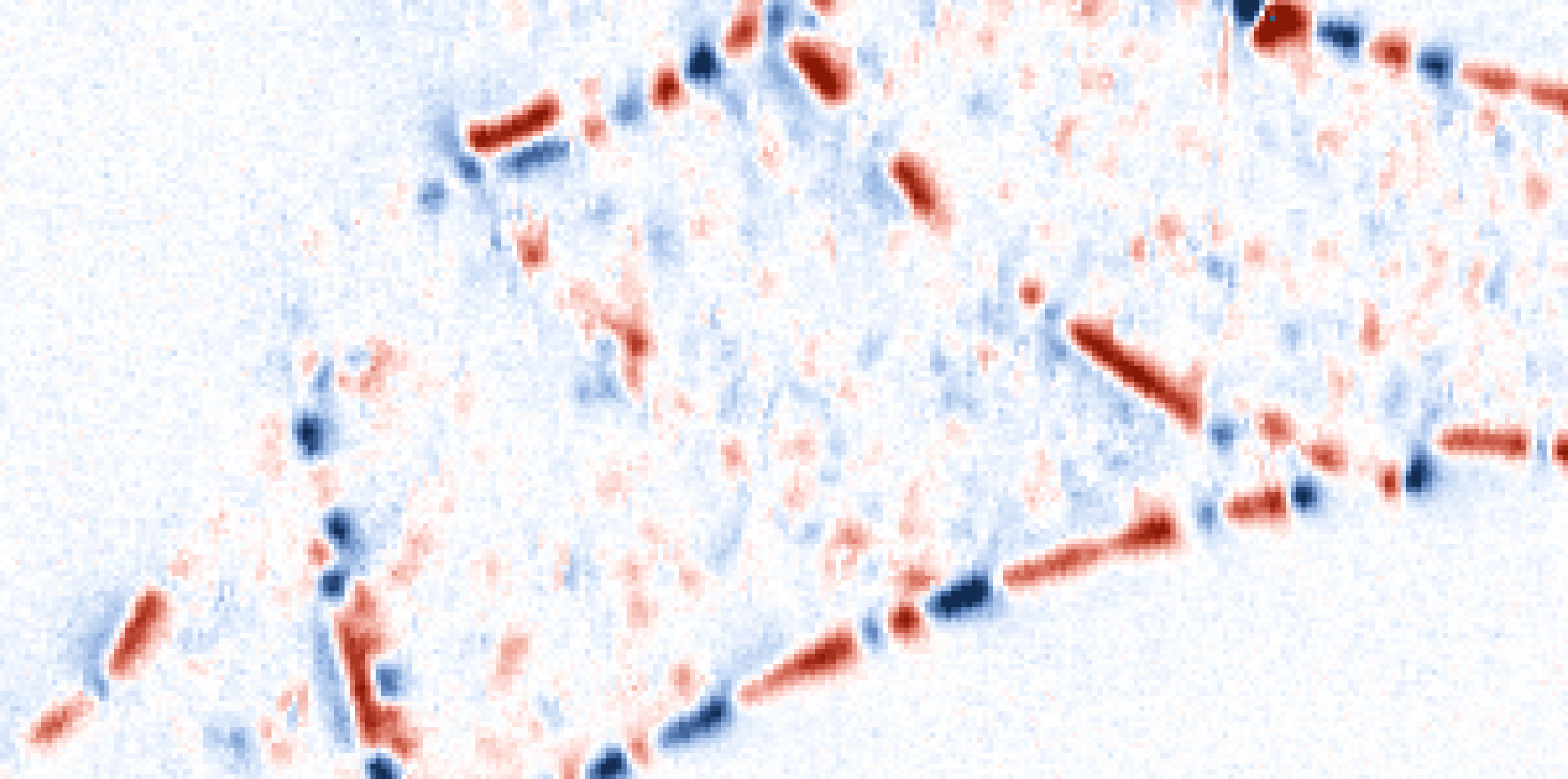
2D van der Waals magnets are materials that exhibit magnetic ordering in atomically thin layers. They provide a unique platform for studying how magnetic properties evolve from the two-dimensional to the three-dimensional limit, offering fundamental insight into low-dimensional magnetism.
Beyond fundamental research, their properties can be strongly tuned by parameters such as layer number, stacking order, and applied electric fields. This high degree of control opens pathways toward novel, voltage-controlled spintronic and nanoscale magnetic devices Zhang et al, npj Spintronics 2, 6 (2024)
What are the challenges when measuring?
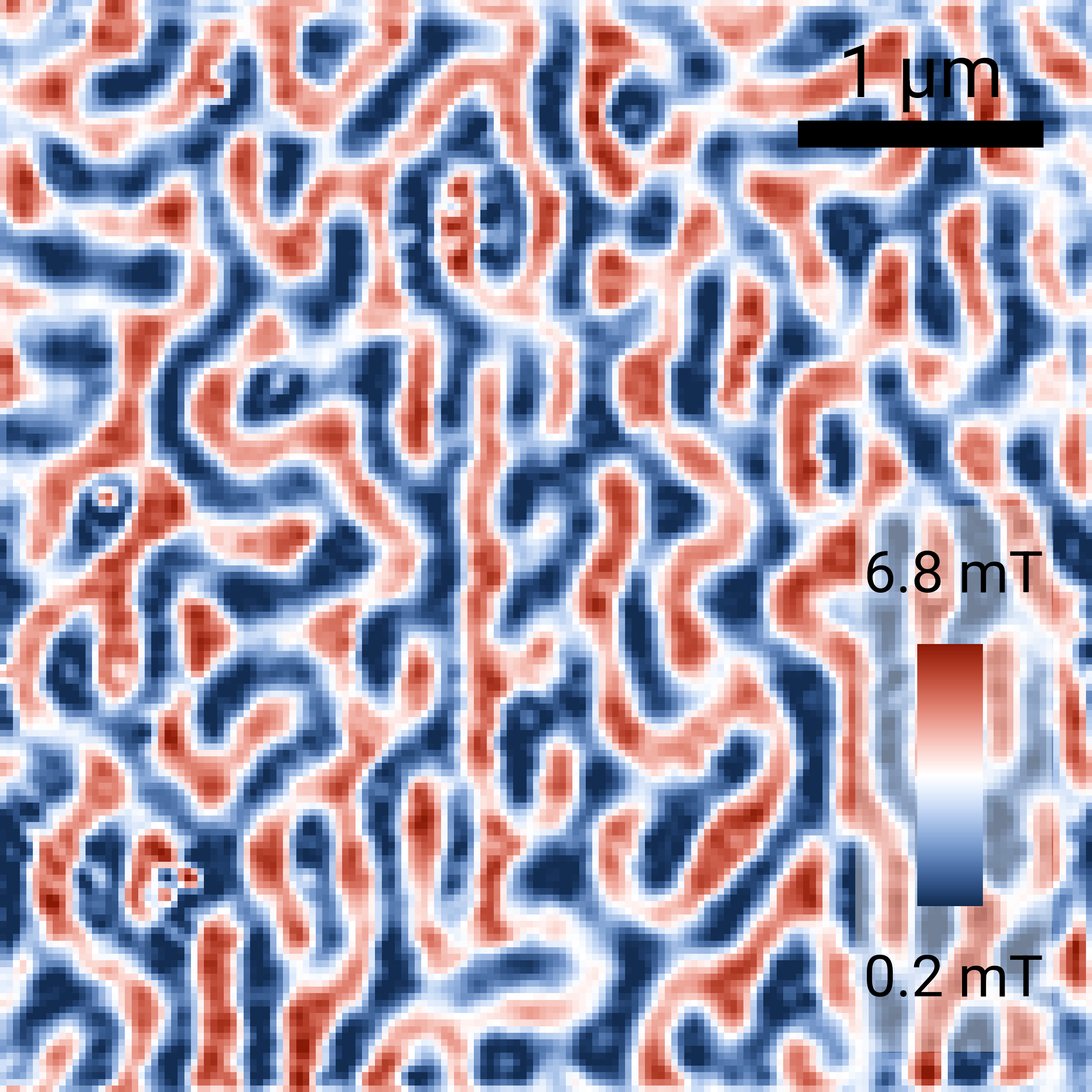
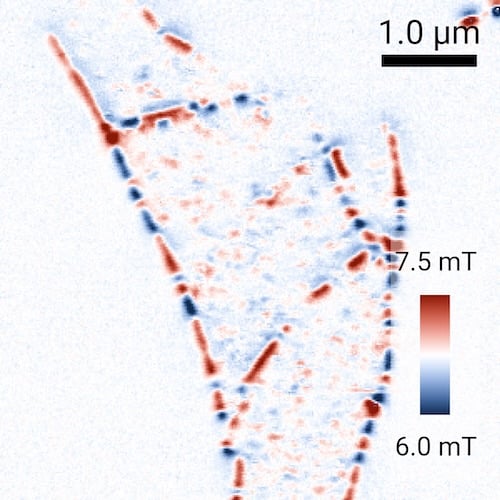
The strength of stray magnetic fields in 2D magnets varies widely depending on the material and thickness. Atomically thin flakes often produce extremely weak signals, requiring high sensitivity, while thicker multilayers can generate much stronger fields, demanding larger dynamic range and, in some cases, NV resonance tracking during scanning. For a detailed overview of how different measurement regimes are covered, see our QSM system page.
Another challenge is that many 2D magnets have Curie temperatures below room temperature. To address this, the QSM offers an optional cooling module enabling measurements down to below -50 °C. For experiments requiring even lower temperatures, the attoNVM platform provides cryogenic operation.
How to measure 2D magnets?
2D magnetic samples typically consist of flakes with varying sizes and layer numbers. To quickly identify flakes with the desired properties, the QSM features QuickODMR, enabling rapid region-of-interest detection with scanning speeds up to 200 Hz.
The combination of large scan areas and fast image acquisition allows users to efficiently screen samples and focus their time on collecting high-quality, relevant data.